IRS Gold IRA Rules 2026: Purity Standards and Depository Requirements
As a Precious Metals IRA Custodian and former IRS Auditor, I examine Self-Directed Individual Retirement Accounts (SDIRAs) on a daily basis. While physical precious metals offer a brilliant hedge against inflation and systemic banking risks, the Internal Revenue Code (IRC) is absolutely unforgiving when it comes to compliance.
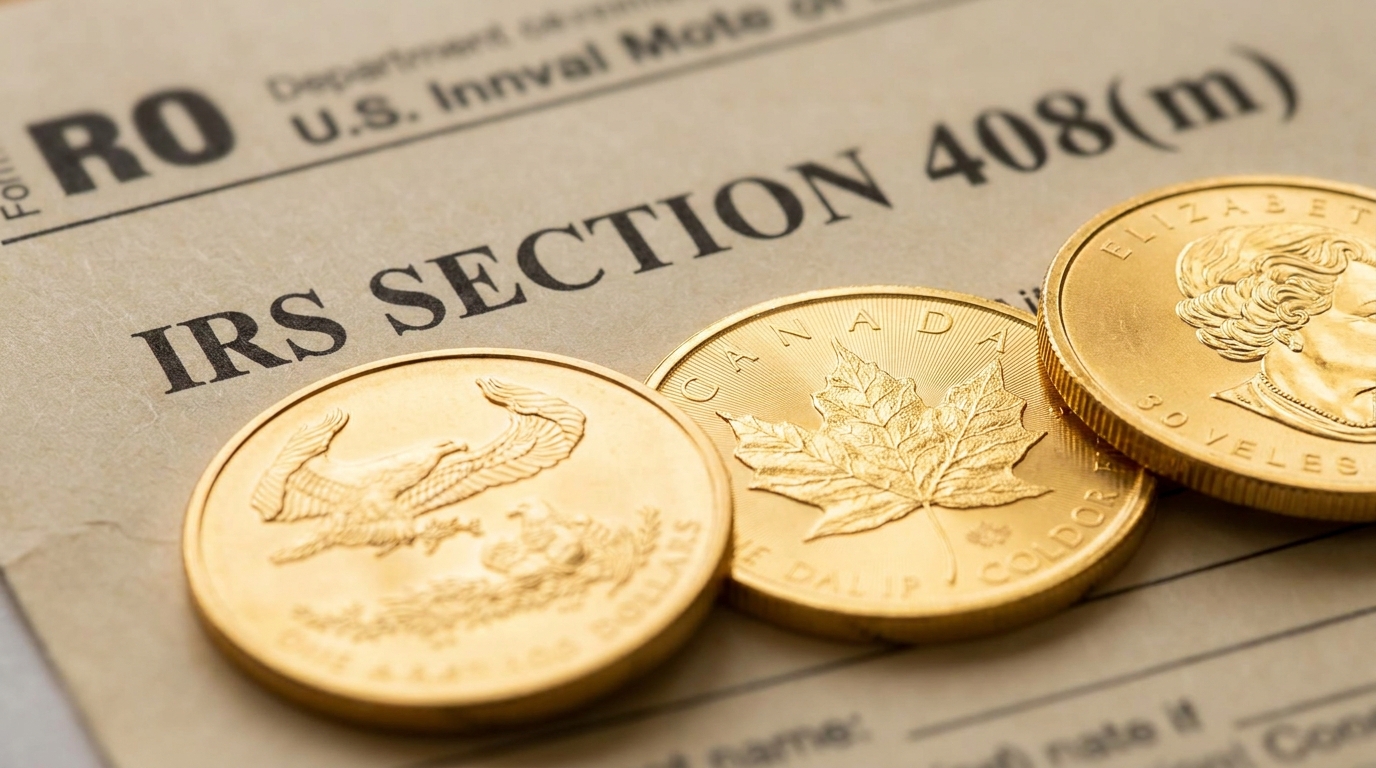
Under IRC Section 408(m), precious metals and coins are generally classified as “collectibles.” By default, placing a collectible inside an IRA is strictly prohibited and treated as an immediate, taxable distribution. However, the IRS carved out a specific exemption for certain highly refined bullion and specific government-minted coins.
If you are opening a Gold IRA in 2026, you must navigate an incredibly strict matrix of purity thresholds and custodial storage laws. A single unapproved coin or a misguided “home storage” setup will trigger massive tax penalties, an immediate loss of your IRA’s tax-advantaged status, and a comprehensive IRS audit. Here are the definitive irs gold ira rules 2026 regarding what you can buy and where you must keep it.
The Fineness Mandate: Precious Metals Purity Standards
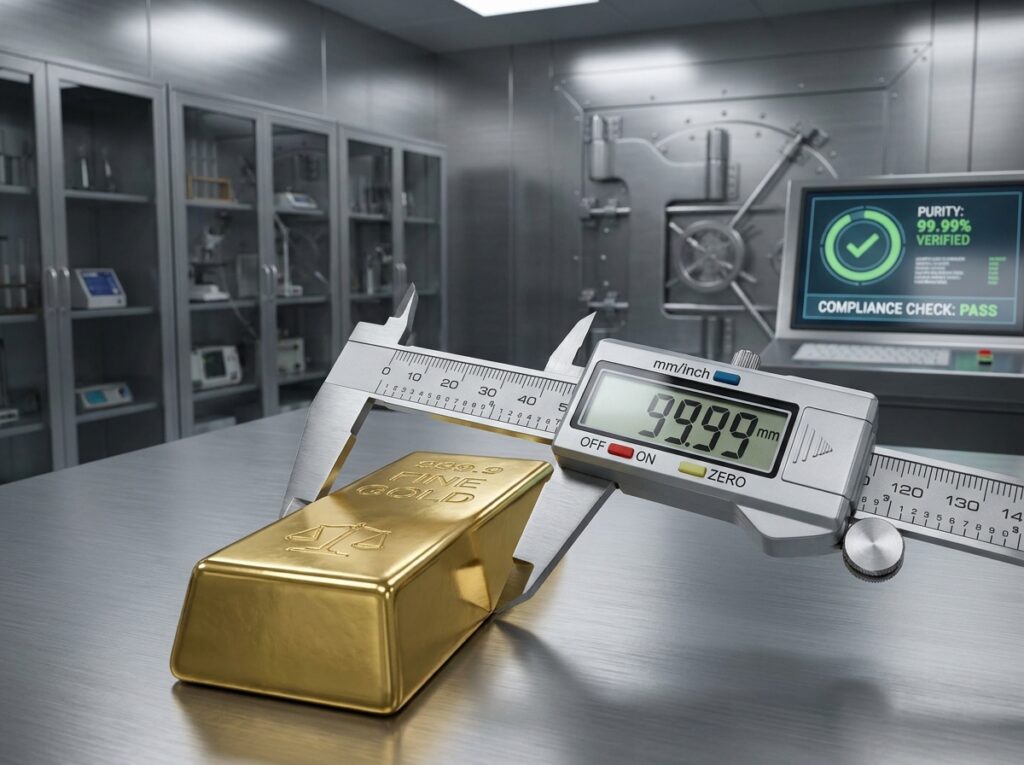
To prevent investors from placing jewelry, novelty items, or impure metals into tax-advantaged retirement accounts, the IRS enforces strict minimum “fineness” (purity) requirements. For a bullion product to qualify for an IRA, it must meet the exacting standards of a recognized commodities exchange.
The fineness requirements gold ira investors must strictly follow are:
-
Gold: Must be at least .995 pure (99.50%).
-
Silver: Must be at least .999 pure (99.90%).
-
Platinum: Must be at least .9995 pure (99.95%).
-
Palladium: Must be at least .9995 pure (99.95%).
In addition to meeting these purity levels, the bars or rounds must be manufactured by a national government mint or a certified, accredited refiner/assayer (such as PAMP Suisse, Valcambi, or Credit Suisse).
The Statutory Exception: The American Gold Eagle
There is exactly one glaring, statutory exception to the .995 gold purity rule. The IRS specifically permits the American Gold Eagle coin, despite it being a 22-karat coin with a purity of only .9167 (91.67%). Congress explicitly wrote this coin into the tax code to support the United States Mint. No other .9167 purity coin is granted this special legal privilege.
The Approved Roster: Gold IRA Eligible Coins List
When funding your account, you must select assets from the approved gold ira eligible coins list. Purchasing an eligible coin ensures you will not face an accidental distribution penalty.
Eligible Gold Coins:
-
American Gold Eagle (Bullion and Proof)
-
American Gold Buffalo (must be .9999 pure)
-
Canadian Gold Maple Leaf (.9999 pure)
-
Austrian Gold Philharmonic
-
Australian Gold Kangaroo/Nugget
Eligible Silver, Platinum, and Palladium Coins:
-
American Silver Eagle
-
Canadian Silver Maple Leaf
-
American Platinum Eagle
-
Canadian Palladium Maple Leaf
The Banned List: Disallowed Precious Metals
As an auditor, the most frequent violation I see is an investor purchasing a popular, globally recognized coin, only to discover it belongs in a disallowed precious metals ira category. If a coin fails the purity test and lacks a specific congressional exemption, it is banned. Furthermore, the IRS aggressively bans any coin that carries a “numismatic” (collector) premium. Your IRA is designed for investing in the underlying metal content, not the historical rarity of the coin.
Commonly Disallowed Coins:
-
South African Krugerrand: This is the most common mistake. While it is a globally traded bullion coin, it is only 22-karat (.9167 pure). Because it does not have the special statutory exemption granted to the American Gold Eagle, the Krugerrand is strictly banned from IRAs.
-
Pre-1933 Gold Coins: Vintage U.S. coins, such as $20 Saint-Gaudens Double Eagles or Morgan Silver Dollars, are considered historical collectibles and are fully disqualified.
-
UK Gold Sovereigns: Banned due to failing the purity threshold.
-
Graded or Certified Coins: If a coin comes in a sealed plastic slab graded by a service like PCGS or NGC, the IRS frequently views the grading itself as assigning a collectible premium, which can trigger disqualification. Stick to standard, brilliant uncirculated (BU) bullion.
The “Home Storage” Trap: Self-Directed IRA Storage Rules
The most heavily audited and aggressively penalized area of the precious metals industry revolves around the self-directed ira storage rules.
Over the last few years, several misleading marketing campaigns have promoted “Home Storage Gold IRAs,” implying that you can set up an LLC, buy gold with your retirement funds, and legally store the gold in a safe in your basement. Do not do this.
Under IRC Section 408(m)(3)(B), physical metals must be in the physical possession of a trustee—a bank, credit union, or an approved trust company. You, the IRA owner, cannot take physical possession of the metals.
If you attempt to store your IRA gold at home or in a personal bank safe-deposit box, the IRS will declare an immediate total distribution of your account.
-
The entire value of the gold becomes taxable as ordinary income for that year.
-
If you are under the age of 59.5, you will be hit with an additional 10% early withdrawal penalty.
-
Your IRA will lose its tax-advantaged status permanently.
To remain compliant, your chosen custodian must legally facilitate the transfer of the metals to an independent, highly secure, IRS-approved depository. Industry-standard depositories—such as the Delaware Depository or Brink’s Global Services—maintain massive insurance policies, advanced vault security, and undergo routine, rigorous accounting audits.
Protecting your retirement nest egg in physical gold is a brilliant strategy for the 2026 economic environment, but it requires absolute precision. Stick to the allowed bullion purity standards, avoid numismatic collector coins, and never attempt to circumvent the federal depository laws.
Compliance Disclaimer: The information provided in this guide is for educational and informational purposes only and does not constitute formal legal, tax, or investment advice. IRS rules governing Self-Directed IRAs (IRC Section 408) are strictly enforced and subject to change. Always consult with a licensed CPA or tax attorney before purchasing precious metals for a retirement account.